
Side parts. Skinny jeans. The Valencia filter. We could only be talking about one generation: Millennials.
Once dismissed as unforgivably cringe, Millennials are making a pop culture comeback. After dominating the headlines for over a decade, the generation—born between 1981-1996—took a step back as Gen Z sauntered into the limelight.
But in recent months, they’ve regained cultural cache and are finally getting the flowers they deserve for pioneering social media culture. Millennials were the earliest adopters of some of the networks that have become global behemoths.
As Monica Dimperio—the force behind Hashtag Lifestyle, the consultancy making brands cooler, culturally fluent and impossible to scroll past—put it: “Millennials grew up both with and without social—we remember the world before filters and followers—so our relationship with it is deeply emotional. We’re still talking about our AIM screen names and which MySpace song played on our profile. We literally invented the photo dump. And that early experience taught us to care about presentation, meaning and vibe—even now. We built the culture Gen Z now thrives in.” Dimperio is a Millennial herself, as well as a brand builder and digital native who helped define influencer culture.
And just because social is nostalgic for Millennials, it doesn’t make the generation a thing of the past, with 83% of Millennials actually planning to interact with brands on social more or the same as they do now, per The 2026 Social Media Content Strategy Report. That’s the most of any age demographic. As their income and spending power goes up, their increased time on social translates to real opportunity for brands.
In this guide, we explain how Millennials want brands to show up on social media and how to market to them the right way.
How to reach Millennials on social media
On social, Millennials look for connection. Whether it’s with people they actually know, influencers and celebrities, or even brands. As Dimperio explained, “Because we’ve grown up alongside the evolution of every major platform, social media has become emotional infrastructure for Millennials. It’s how we remember birthdays, stay in touch with old friends and feel a little less alone when we’re watching a show by ourselves on the couch. It’s companionship.”
Data backs this up. According to the Index, 92% of Millennials use social to keep up with cultural moments. Which aren’t exactly the same thing as trends. Instead, they’re looking for shared experiences and touchstones.
Dimperio goes on, “We’re not chasing trends or trying to become influencers. We’re looking for hacks, humor and a reminder that we’re not the only ones spiraling through whatever life stage we’re in (aka middle age). That’s why we gravitate toward content that teaches, entertains or makes us feel seen. If it helps us cook a better dinner, find a better brow gel or sends us into a meme spiral because it hits way too close to home, we’re following.”
Millennials’ appetite for content that feels helpful and connection-driven applies to brands, too. Forty percent say they want brands to prioritize educational content about products and services in 2026, per the Q1 2026 Sprout Pulse Survey. Another 27% are looking for community-focused content.
Amid this goodwill, brands shouldn’t make the mistake of pushing a hard sell. Millennials want brands to stop using a salesly or corporate tone and, instead, lean into authenticity, according to The Sprout Social Index™.
“We don’t need perfection, we need personality. If it feels like marketing, we’re out. But if it feels like a friend with taste? We’re in,” sums up Dimperio.
What social media networks do Millennials use and why?
According to the Q1 2026 Sprout Pulse Survey, 76% of Millennial social media users are on Instagram, 70% are on Facebook and 69% are on YouTube, making these platforms the most popular with the generation.
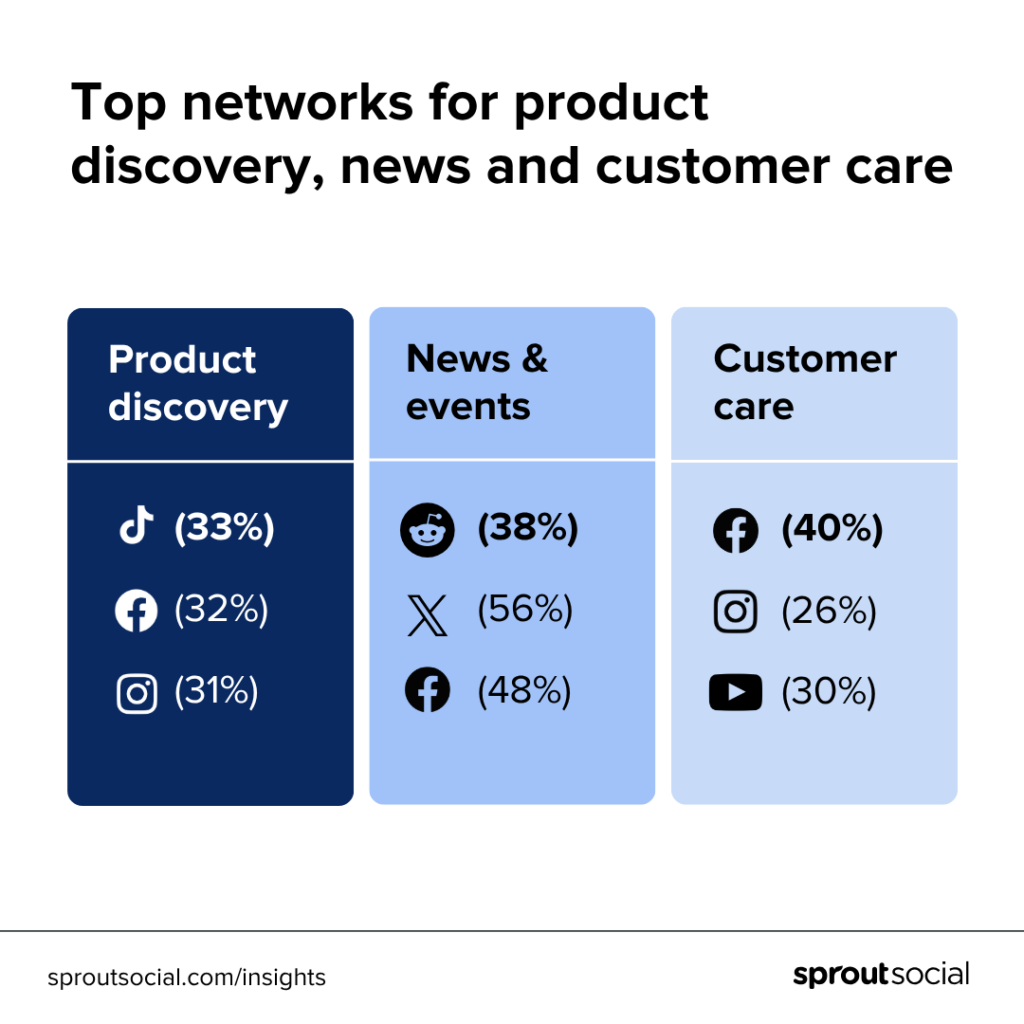
Digging deeper into how they use certain platforms, Millennials report TikTok is their favorite channel to turn to for product discovery, closely followed by Facebook and Instagram, according to The Content Strategy Report. The report also found that Millennials are most likely to use Facebook for customer care.
The Q1 2026 Sprout Pulse Survey found that they are most likely to use Reddit, X and Facebook for staying up to date on the news.
What brand content do Millennials engage with?
On their top two most-used channels, Facebook and Instagram, Millennials are most likely to engage with short-form video (<60 seconds) brand posts, per The 2026 Social Media Content Strategy Report. On YouTube, they’re just as likely to engage with short-form video as they are long-form (>60 seconds).
Though Millennials ultimately consume all content on most platforms, the key is understanding the nuance and culture of each one. That doesn’t mean completely recreating posts from scratch—and overtaxing your team’s bandwidth. It means charting multiple points of distribution and connection, and prioritizing the platforms that matter most to this generation.
Regardless of format, the characteristics Millennials care about most in brand content are authenticity, entertainment and reliability, according to Index data. Compared to all other generations, they’re also most likely to say if a brand doesn’t respond on social, they’re strongly likely to buy from a competitor next time.
As Dimperio says, “Millennials are both the most skeptical and the most brand-loyal generation.” When you win them over, you earn a customer for life. But doing so takes a commitment to building a truly unique brand persona and excellent customer experience.
Millennial social media trends
As Millennials have matured, they’ve gone from being the centerpiece of marketing plans to middle-aged consumers with less cultural sway, but even more market impact. To reach Millennials, brands should invest in emerging networks, stay true to their brand ethos and center social in their go-to-market strategies.
This is not a trends listicle that will inspire specific content ideas (for that, read our top social media trends article). Instead, these trends map out the future of Millennials’ social media habits, and give clues that reveal what it takes to build lasting resonance as this generation reaches the next stage of their lives.
Emerging network early adopters
Interestingly, Millennials’ desire for connection on social is driving them to use more community- and creator-driven platforms over the next few months, per the Q2 2025 Sprout Pulse Survey. 63% plan to use Reddit, while 57% plan to use Bluesky and Threads. Another 53% plan to use Patreon and Substack.
Millennials are most likely to jump into these new platforms if their friends and family members are already using them, according to the same survey. They also sign up for new networks when they’re interested in niche communities and topics, or when influencers and creators they follow join the network.
But if brands joined every platform in the crowded landscape of emerging networks, they would devote all of their team’s time to developing these new channels. Instead, they should invest in experiments on one or two networks where their target audience is, or where niche communities related to their brand already exist.
They’re looking for brands to be human
The Q4 2025 Sprout Pulse Survey found that Millennials believe the top thing brands should prioritize in 2026 is human-generated content. Another 44% say they have already unfollowed, blocked and muted brands who post content that seems like AI slop, per the Q1 2026 Sprout Pulse Survey.
Dimperio says this is because of Millennials’ nostalgia for early days online. “Originality still matters to us because we remember the golden age of blogs, niche memes and cultural moments that weren’t curated by an algorithm. We know what human creativity looks like.”
What Millennials want is in direct opposition to what brands are prioritizing. The Content Strategy Report found that marketers’ most common AI use case is content creation, and AI-generated content is their second highest priority in 2026.
Instead, brands should produce content from real humans that sounds relatable and authentic—whether it’s influencer- or employee-generated.
Social is inextricably tied to their purchasing decisions
Social has transformed the way Millennials shop. Case in point:
- Over half make spontaneous purchases inspired by social at least once a month (The 2025 Sprout Social Index™).
- 35% are more likely to buy something they discovered on social in this economic climate (Q2 2025 Sprout Pulse Survey).
- Millennial consumers are most likely to make daily or weekly purchases inspired by an influencer—on par with Gen Z (The State of Influencer Marketing Report).
Dimperio explains how this should impact the ways brands approach social selling. “Social media completely collapsed the funnel. For Millennials, discovery, research and purchase all happen in the same scroll. Brands need to get it right—fast. Paid ads and algorithm tokens practically force us to see things two to five times until we eventually give in. Peer pressure marketing is real. So when something does hit organically, like a product recommendation from a friend, a creator we trust or a brand we already love, it actually feels refreshing.”
Even as shopping on social media becomes more ubiquitous, successfully grabbing Millennial attention requires a synchronized approach, as this generation uses both digital and physical storefronts. Dimperio adds, “I still walk into stores. I love the IRL experience. But maybe that’s the takeaway here: If your brand is going to live online, the digital and physical need to feel emotionally connected. Do they feel the same? Same tone, same vibe, same trust factor?”
Positive views on on brands that take a stand
The Q1 2026 Sprout Pulse Survey found that 27% of Millennials say they expect brands to take a public stand on political and social issues, and another 23% want them to be a resource on issues related to their industry—the most of any generation.
Another third report that they will stop buying products if a brand’s values clash with their own, and 20% go out of their way to buy specific products from brands they agree with, significantly more than Gen X and Baby Boomers.
This is because Millennials have historically used social to build communities beyond geographic limitations and amplify movements. As they’ve grown up, social has helped them explore their identities and learn about social issues. The key is moving beyond performative activism. Instead, focus on issues that directly impact your community and center people, and align your actions with your mission and values.
Brands Millennials love on social
As mentioned, Millennials are a somewhat misunderstood generation. Marketing to them the same way you market to Gen Z and not accounting for their generational nuances doesn’t win their favor. They’re looking for brands with a clear, well-established identity.
Dimperio explains it this way: “The brands we love feel like people. When I build a social strategy, I treat it like creating a character—voice, visuals, tone, timing. It’s a full personality. Millennials connect with brands like that, ones who are intentional, consistent and actually know who they are.”
Here are three brands who have mastered the art of Millennial marketing, and found a way to breakthrough in a way that feels true to their image.
Sézane
Good taste. Classic elegance. Where grown ups shop. Sézane, the French brand that empowers you to build your own “Parisian wardrobe,” is a staple among Millennial women. These consumers, who were sold on the mystique of French women’s style at a young age, make up a large percentage of Sézane’s cult following.
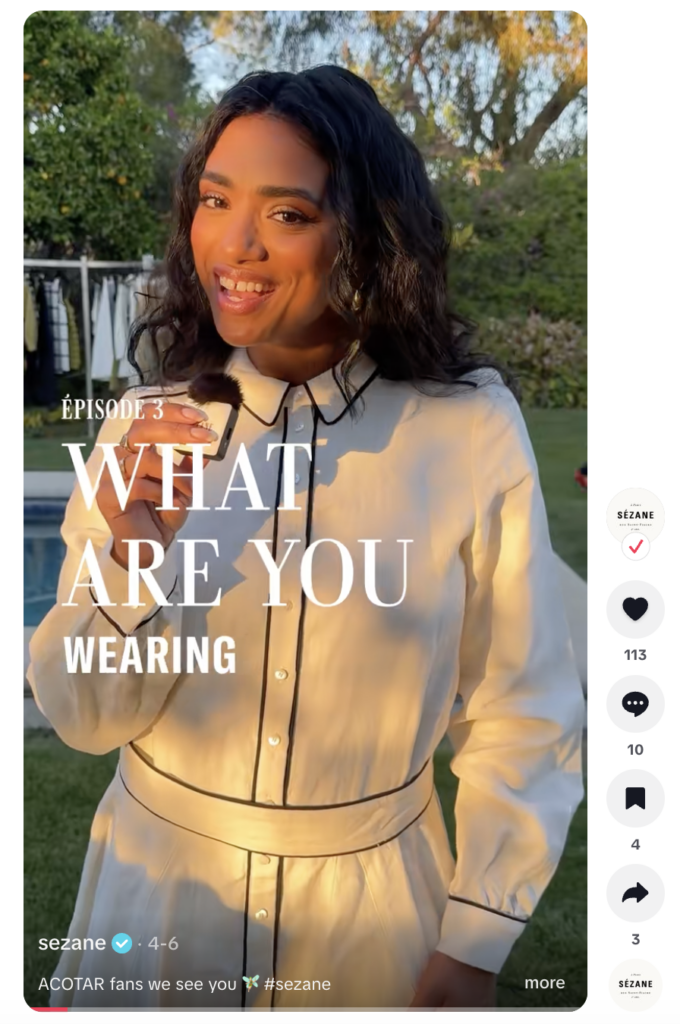
The brand owes much of their recent success to social media hype. On their own channels, they’re applauded for using models that have body types that match their core audience, and for designing clothes built with comfort, style and Millennial style icons in mind. The brand also leans into creator-led marketing and user-generated content.
Give your brand a Millennial makeover: Take a cue from Sézane, and lean into the early influences on Millennial taste. Understand why they’re motivated to gravitate toward specific aesthetics, and incorporate those themes into your content.
Ceremonia
Ceremonia, the clean hair care brand rooted in a Latinx heritage, is a founder-led company with a clear penchant for Millennial branding. Founder Babba C. Rivera is incredibly cool, a Forbes 30-under-30 alum and a Millennial herself. Her knack for storytelling—from her heritage to her brand’s mission—resonates with the generation. Plus, the brand’s warm, coordinated colorways and simple logo are Millennial-coded.
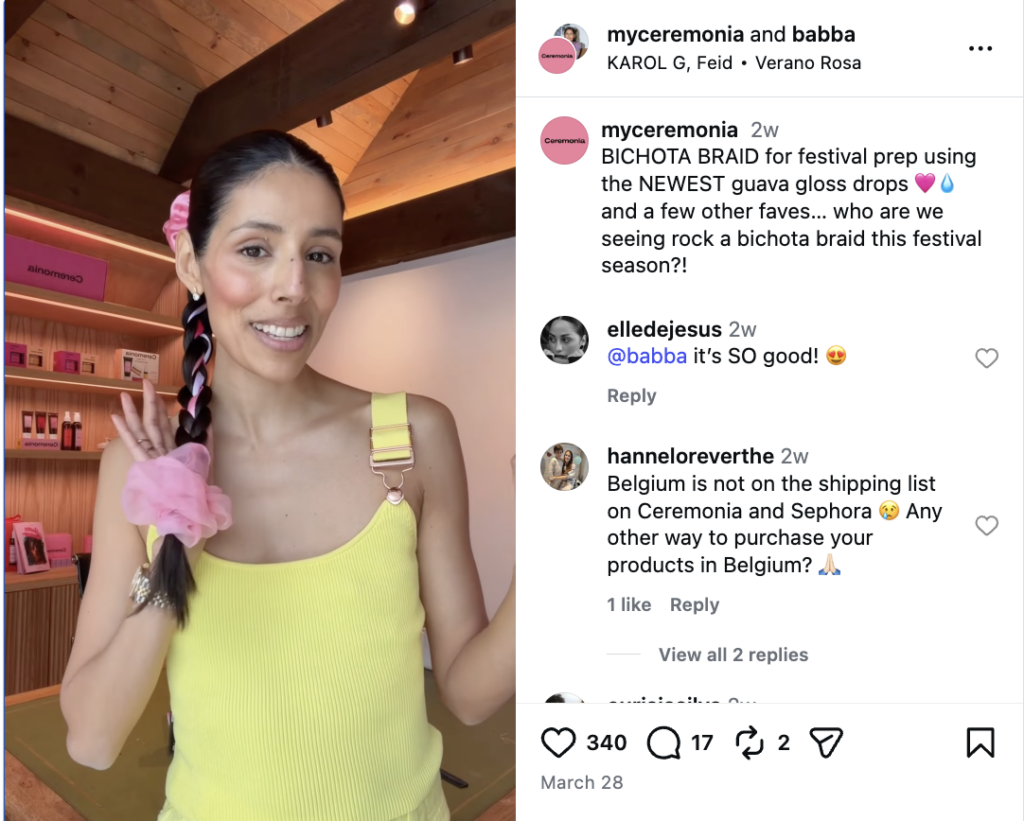
On social, the brand leans into Rivera’s inspiring story, while also creating polished visuals that showcase their products.
Give your brand a Millennial makeover: What makes your company unique? What can you share about your founder or the origin of your company? Where are your products made? These are the details your Millennial audience wants to learn more about. They want to understand who they’re buying from and how their products are sourced and manufactured. Use social to tell your story.
Graza
If anything is true about Millennials, it’s that they love to take pantry staples and give them a refined twist. While there are countless examples, Graza stands out as a brand that has risen to the forefront of Millennial consciousness.
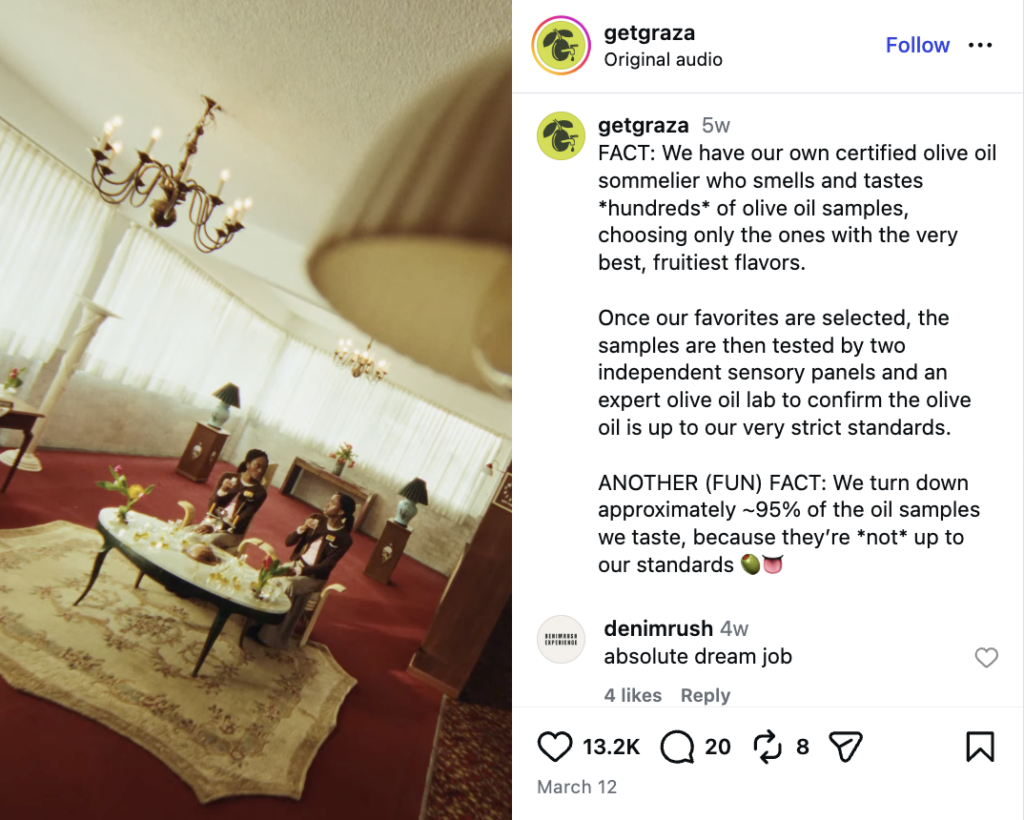
The brand commonly associated with their signature olive oil exemplifies Millennial fancification, and celebrates this on social. Whether it’s by partnering with other Millennial darlings like Fishwife or demonstrating the harvesting cycle of their olives in a mockumentary-style video.
Give your brand a Millennial makeover:While Graza doesn’t exclusively market to Millennials (in fact, sometimes they’re categorized as a Gen Z brand), their originality and strong community management enable them to reach across generations. In your own social content, consider how partnering with other beloved Millennial brands, creators and media personalities, and serving up Millennial-core can help you expand your audience.
Don’t forget about Millennials in your social strategy
Millennials may no longer be the new kids on the block, but they’re still one of the most active generations on social. As their buying power continues to grow, brands need to pay attention to this demographic’s specific habits, preferences and values. They don’t want trend-chasing or faceless corporate posts. They want connection, creativity and original storytelling.
The brands that win with Millennials understand this isn’t just a matter of repackaging Gen Z tactics. It requires a strategy rooted in understanding the nuances of their online behavior, the platforms they gravitate toward and the emotional reasons they use social in the first place.
If you’re building a brand meant to last, don’t sleep on the generation that helped build social as we know it.
Looking for a deeper dive into the current state of social? Read our 2026 Social Media Content Strategy Report.
The post How millennials use social media: What marketers need to know appeared first on Sprout Social.